Which Drum Granulator Is Best for Commercial Fertilizer Production?

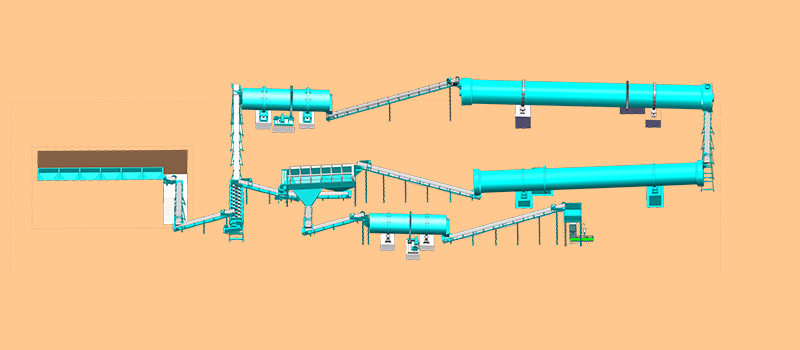
Plant owners and project investors often evaluate drum granulator before they plan a fertilizer processing plant. phosphate rock, limestone, dolomite, potassium feldspar move through ball mill, pan granulator, rotary dryer in a complete fertilizer granulation line. When you select this equipment, you review capacity, material condition, and plant layout. This evaluation helps you control investment and keep production stable.
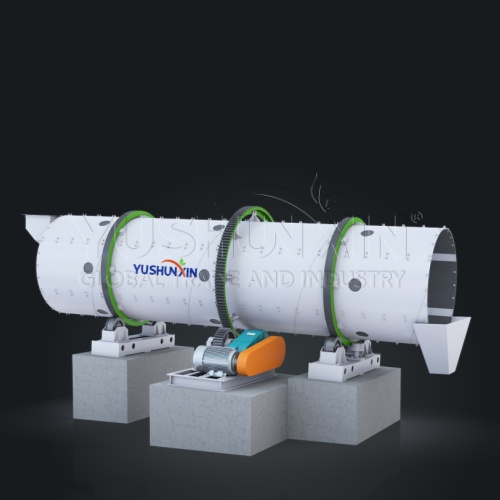
drum granulator

drum granulator

How does a drum granulator system support phosphate rock processing?

A drum granulator system supports phosphate rock processing by connecting the main machine with feeding, mixing, and screening. You can prepare phosphate rock, limestone, dolomite, potassium feldspar before the machine starts. A ball mill and a pan granulator help control material flow, while a rotary dryer protects product quality. This layout keeps the fertilizer processing plant stable and reduces manual transfer. You can also compare this process with standard fertilizer manufacturing system principles when you design the line. This preparation improves the fertilizer equipment and keeps the fertilizer machinery balanced. This setup also simplifies maintenance and reduces unexpected stops.

Why does a drum granulator line suit continuous fertilizer production?

A drum granulator line suits continuous fertilizer production because it handles phosphate rock, limestone, dolomite, potassium feldspar in a steady flow. You can arrange the equipment so the material moves from intake to packing without long stops. The ball mill feeds the next stage at a stable rate, and the pan granulator forms the product into a uniform shape. This coordination reduces bottlenecks and keeps the fertilizer granulation line efficient. You can also add a rotary dryer to return off-size material for rework, which lowers waste and improves product consistency. The steady output supports daily packing and dispatch targets.

Which mineral fertilizer granulation technology factors should you review before selection?

mineral fertilizer granulation technology helps you choose the right equipment for phosphate rock, limestone, dolomite, potassium feldspar. You can review moisture, particle size, capacity, and plant space before you order. A clear process flow reduces transfer points and protects the fertilizer machinery. This comparison also helps you balance fertilizer equipment with long-term operating cost. You can then match the selected machine to the fertilizer manufacturing system and keep the fertilizer processing plant running smoothly. This review helps you avoid buying oversized or undersized fertilizer machinery.

How can producers compare mineral fertilizer standards for this fertilizer manufacturing process?

You can compare the general process described under mineral fertilizer when you set the product standard and material specification. This reference helps you understand why moisture and particle size matter for phosphate rock, limestone, dolomite, potassium feldspar. You can also adjust the ball mill and the pan granulator according to the target output. This control supports the fertilizer granulation line and keeps the fertilizer processing plant consistent during peak production. This preparation also supports repeat product quality across production batches.

To summarize, which drum granulator is best for commercial fertilizer production depends on material condition, equipment scope, and production capacity. You can match each machine to the required output and product form. A reliable mineral fertilizer equipment manufacturer can supply the complete fertilizer manufacturing system. Yushunxin provides this fertilizer production equipment. If you have interests, you can learn more about https://www.mineralfertilizerproductionsolutions.com/product/rotary-drum-fertilizer-granulator
What Should Fertilizer Manufacturers Know About Bentonite Clay Pellets?

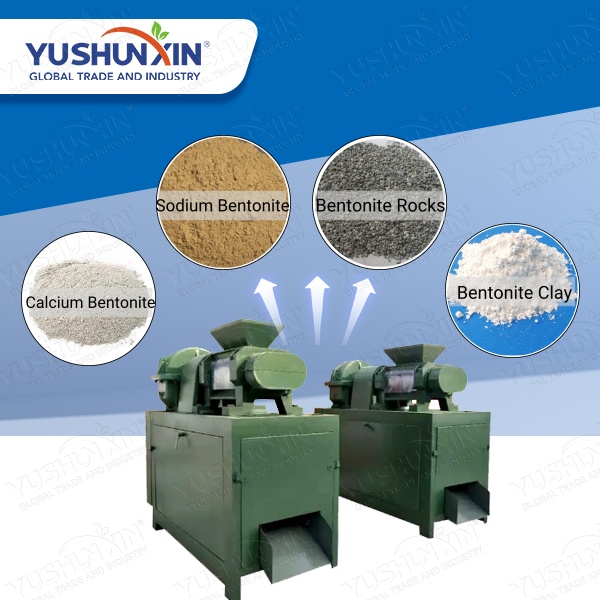
Plant owners and project investors often evaluate bentonite clay pellets before they plan a fertilizer processing plant. chicken manure, crop straw, humic acid, sewage sludge move through double-roll extruder, crusher, rotary dryer in a complete fertilizer extrusion line. When you select this equipment, you review capacity, material condition, and plant layout. This evaluation helps you control investment and keep production stable.

bentonite clay pellets

bentonite clay pellets

How does a bentonite clay pellets system support chicken manure processing?

A bentonite clay pellets system supports chicken manure processing by connecting the main machine with feeding, mixing, and screening. You can prepare chicken manure, crop straw, humic acid, sewage sludge before the machine starts. A double-roll extruder and a crusher help control material flow, while a rotary dryer protects product quality. This layout keeps the fertilizer processing plant stable and reduces manual transfer. You can also compare this process with standard fertilizer manufacturing system principles when you design the line. This preparation improves the fertilizer machinery and keeps the fertilizer equipment balanced. This setup also simplifies maintenance and reduces unexpected stops.

Why does a bentonite clay pellets line suit continuous fertilizer production?

A bentonite clay pellets line suits continuous fertilizer production because it handles chicken manure, crop straw, humic acid, sewage sludge in a steady flow. You can arrange the equipment so the material moves from intake to packing without long stops. The double-roll extruder feeds the next stage at a stable rate, and the crusher forms the product into a uniform shape. This coordination reduces bottlenecks and keeps the fertilizer extrusion line efficient. You can also add a rotary dryer to return off-size material for rework, which lowers waste and improves product consistency. The steady output supports daily packing and dispatch targets.

Which organic fertilizer extrusion technology factors should you review before selection?

organic fertilizer extrusion technology helps you choose the right equipment for chicken manure, crop straw, humic acid, sewage sludge. You can review moisture, particle size, capacity, and plant space before you order. A clear process flow reduces transfer points and protects the fertilizer equipment. This comparison also helps you balance fertilizer machinery with long-term operating cost. You can then match the selected machine to the fertilizer manufacturing system and keep the fertilizer processing plant running smoothly. This review helps you avoid buying oversized or undersized fertilizer machinery.

How can producers compare organic fertilizer standards for this fertilizer manufacturing process?

You can compare the general process described under organic fertilizer when you set the product standard and material specification. This reference helps you understand why moisture and particle size matter for chicken manure, crop straw, humic acid, sewage sludge. You can also adjust the double-roll extruder and the crusher according to the target output. This control supports the fertilizer extrusion line and keeps the fertilizer processing plant consistent during peak production. This preparation also supports repeat product quality across production batches.

To summarize, what should fertilizer manufacturers know about bentonite clay pellets depends on material condition, equipment scope, and production capacity. You can match each machine to the required output and product form. A reliable fertilizer machinery manufacturer can supply the complete fertilizer manufacturing system. Yushunxin provides this fertilizer production equipment. If you have interests, you can learn more about https://www.extruder-granulator.com/product/bentonite-granulator

How Do You Choose Biomass Carbonization Equipment for Biochar Fertilizer Production?

Plant owners and project investors often evaluate biomass carbonization equipment before they plan a fertilizer processing plant. biochar, biomass ash, charcoal powder, lignite move through carbonization furnace, biochar crusher, rotary dryer in a complete fertilizer granulation line. When you select this equipment, you review capacity, material condition, and plant layout. This evaluation helps you control investment and keep production stable.

biomass carbonization equipment

biomass carbonization equipment

How does a biomass carbonization equipment system support biochar processing?

A biomass carbonization equipment system supports biochar processing by connecting the main machine with feeding, mixing, and screening. You can prepare biochar, biomass ash, charcoal powder, lignite before the machine starts. A carbonization furnace and a biochar crusher help control material flow, while a rotary dryer protects product quality. This layout keeps the fertilizer processing plant stable and reduces manual transfer. You can also compare this process with standard fertilizer manufacturing system principles when you design the line. This preparation improves the fertilizer equipment and keeps the fertilizer machinery balanced. This setup also simplifies maintenance and reduces unexpected stops.

Why does a biomass carbonization equipment line suit continuous fertilizer production?

A biomass carbonization equipment line suits continuous fertilizer production because it handles biochar, biomass ash, charcoal powder, lignite in a steady flow. You can arrange the equipment so the material moves from intake to packing without long stops. The carbonization furnace feeds the next stage at a stable rate, and the biochar crusher forms the product into a uniform shape. This coordination reduces bottlenecks and keeps the fertilizer granulation line efficient. You can also add a rotary dryer to return off-size material for rework, which lowers waste and improves product consistency. The steady output supports daily packing and dispatch targets.

Which carbon-based fertilizer processing technology factors should you review before selection?

carbon-based fertilizer processing technology helps you choose the right equipment for biochar, biomass ash, charcoal powder, lignite. You can review moisture, particle size, capacity, and plant space before you order. A clear process flow reduces transfer points and protects the fertilizer machinery. This comparison also helps you balance fertilizer equipment with long-term operating cost. You can then match the selected machine to the fertilizer manufacturing system and keep the fertilizer processing plant running smoothly. This review helps you avoid buying oversized or undersized fertilizer machinery.

How can producers compare biochar standards for this fertilizer manufacturing process?

You can compare the general process described under biochar when you set the product standard and material specification. This reference helps you understand why moisture and particle size matter for biochar, biomass ash, charcoal powder, lignite. You can also adjust the carbonization furnace and the biochar crusher according to the target output. This control supports the fertilizer granulation line and keeps the fertilizer processing plant consistent during peak production. This preparation also supports repeat product quality across production batches.

To summarize, how do you choose biomass carbonization equipment for biochar fertilizer production depends on material condition, equipment scope, and production capacity. You can match each machine to the required output and product form. A reliable biochar fertilizer equipment manufacturer can supply the complete fertilizer manufacturing system. Yushunxin provides this fertilizer production equipment. If you have interests, you can learn more about https://www.charbasedfertilizermachine.com/product/carbonization-equipment

How Much Does a Small-Scale Biofertilizer Plant Cost?

Plant owners and project investors often evaluate small scale biofertilizer plant cost before they plan a fertilizer processing plant. urea, diammonium phosphate, potassium chloride, ammonium sulfate move through batching system, rotary drum granulator, screening machine in a complete fertilizer production line. When you select this equipment, you review capacity, material condition, and plant layout. This evaluation helps you control investment and keep production stable.

small scale biofertilizer plant cost

small scale biofertilizer plant cost

How does a small scale biofertilizer plant cost system support urea processing?

A small scale biofertilizer plant cost system supports urea processing by connecting the main machine with feeding, mixing, and screening. You can prepare urea, diammonium phosphate, potassium chloride, ammonium sulfate before the machine starts. A batching system and a rotary drum granulator help control material flow, while a screening machine protects product quality. This layout keeps the fertilizer processing plant stable and reduces manual transfer. You can also compare this process with standard fertilizer manufacturing system principles when you design the line. This preparation improves the fertilizer equipment and keeps the fertilizer machinery balanced. This setup also simplifies maintenance and reduces unexpected stops.

Why does a small scale biofertilizer plant cost line suit continuous fertilizer production?

A small scale biofertilizer plant cost line suits continuous fertilizer production because it handles urea, diammonium phosphate, potassium chloride, ammonium sulfate in a steady flow. You can arrange the equipment so the material moves from intake to packing without long stops. The batching system feeds the next stage at a stable rate, and the rotary drum granulator forms the product into a uniform shape. This coordination reduces bottlenecks and keeps the fertilizer production line efficient. You can also add a screening machine to return off-size material for rework, which lowers waste and improves product consistency. The steady output supports daily packing and dispatch targets.

Which compound fertilizer processing technology factors should you review before selection?

compound fertilizer processing technology helps you choose the right equipment for urea, diammonium phosphate, potassium chloride, ammonium sulfate. You can review moisture, particle size, capacity, and plant space before you order. A clear process flow reduces transfer points and protects the fertilizer machinery. This comparison also helps you balance fertilizer equipment with long-term operating cost. You can then match the selected machine to the fertilizer manufacturing system and keep the fertilizer processing plant running smoothly. This review helps you avoid buying oversized or undersized fertilizer machinery.

How can producers compare fertilizer standards for this fertilizer manufacturing process?

You can compare the general process described under fertilizer when you set the product standard and material specification. This reference helps you understand why moisture and particle size matter for urea, diammonium phosphate, potassium chloride, ammonium sulfate. You can also adjust the batching system and the rotary drum granulator according to the target output. This control supports the fertilizer production line and keeps the fertilizer processing plant consistent during peak production. This preparation also supports repeat product quality across production batches.

To summarize, how much does a small-scale biofertilizer plant cost depends on material condition, equipment scope, and production capacity. You can match each machine to the required output and product form. A reliable fertilizer equipment manufacturer can supply the complete fertilizer manufacturing system. Yushunxin provides this fertilizer production equipment. If you have interests, you can learn more about https://www.fertilizerproductequipment.com/small-scale-bio-fertilizer-production